
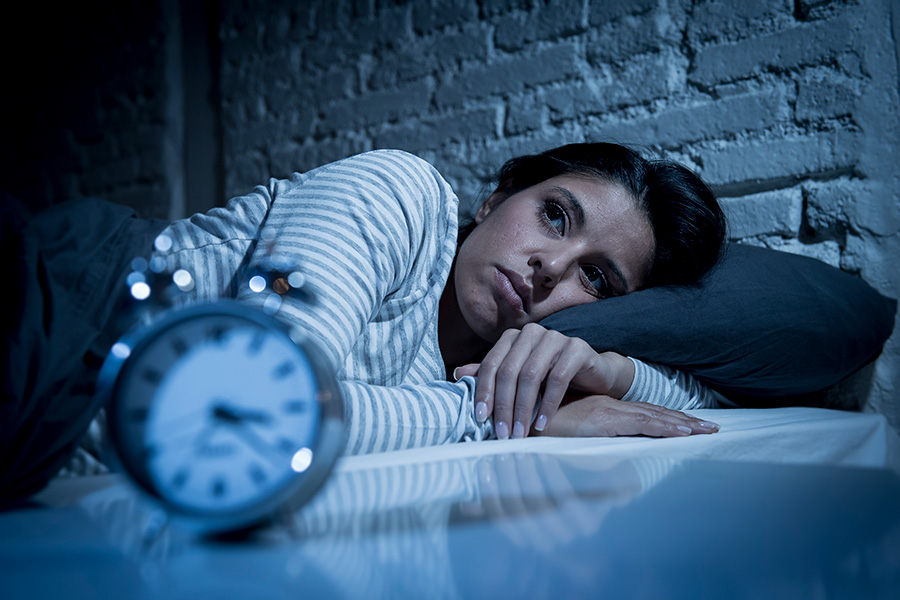
It’s a scenario played out in bedrooms across the globe: the digital clock glows a harsh 3:02 AM, your eyes are wide, and suddenly, you are pondering every life choice you’ve made since 2012. You aren’t alone. While it feels like a personal curse, waking up in the "witching hour" is a common physiological phenomenon rooted in biology, psychology, and the mechanics of sleep cycles.
1. The Architecture of Sleep Cycles
To understand the 3 AM wake-up call, we have to look at how we sleep. We don’t just "black out" for eight hours; we move through cycles of light sleep, deep sleep, and REM (Rapid Eye Movement) sleep. Each cycle lasts about 90 minutes.
As the night progresses, the ratio of these stages shifts. In the first half of the night, your body prioritizes deep, restorative sleep. By the time 3 AM rolls around—assuming a typical 11 PM bedtime—you have finished most of your deep sleep and are entering longer periods of REM and lighter sleep. In this lighter phase, your brain is much easier to rouse. A slight noise, a dip in room temperature, or even a full bladder can be enough to pull you into consciousness.
2. The "3 AM Self" and Modern Stress
Psychologically, 3 AM is a vulnerable time. In the daylight, we have "executive function"—the part of our brain that rationalizes problems. At 3 AM, that part of the brain is essentially offline. This leaves us with our primitive emotional centers.
Psychologists often note that at this hour, our problems feel catastrophic. Without the distraction of work, social interaction, or sunlight, your brain begins to "scan for threats." If you are under stress, your body’s cortisol levels (the stress hormone) might begin to rise prematurely, signaling to your brain that it’s time to be alert, even though it’s hours before dawn.
3. The Blood Sugar Connection
Often, the culprit isn't just in your head—it’s in your gut. Your brain is a metabolic hog; it requires a steady stream of glucose to function, even while you sleep. If you ate a high-sugar snack or drank alcohol before bed, your blood sugar may spike and then crash in the middle of the night.
When blood sugar drops too low, the body treats it as an emergency. It releases glucagon and adrenaline to trigger the release of stored glucose. This surge of adrenaline is like a shot of espresso to your nervous system, snapping you awake with a racing heart and a sense of unease.
Common Culprits at a Glance
| Factor | Why it wakes you up |
|---|---|
| Alcohol | Acts as a sedative initially, but causes "rebound arousal" as it's metabolized. |
| Room Temp | Body temperature must drop to stay asleep; a room over 68°F (20°C) can cause waking. |
| Age | As we age, we spend less time in deep sleep, making us prone to environmental disturbances. |
How to Break the Cycle
If you find yourself staring at the ceiling tonight, the best thing you can do is not check the clock. Seeing the time triggers a "math reflex" where you calculate how many hours of sleep you have left, which spikes anxiety.
- Keep it dim: If you must get up, don't flip on bright overhead lights.
- The 20-Minute Rule: If you aren't asleep after 20 minutes, get out of bed. Do a boring task (like folding socks) in low light until you feel sleepy again.
- Check your "Sleep Hygiene": Avoid caffeine after 2 PM and limit blue light exposure from phones at least an hour before bed.
Waking up at 3 AM is rarely a sign of a medical crisis; it’s usually just your body’s way of saying it’s slightly out of sync. By managing your stress and monitoring your evening habits, you can turn that 3 AM "stare-down" back into a restful slumber.